
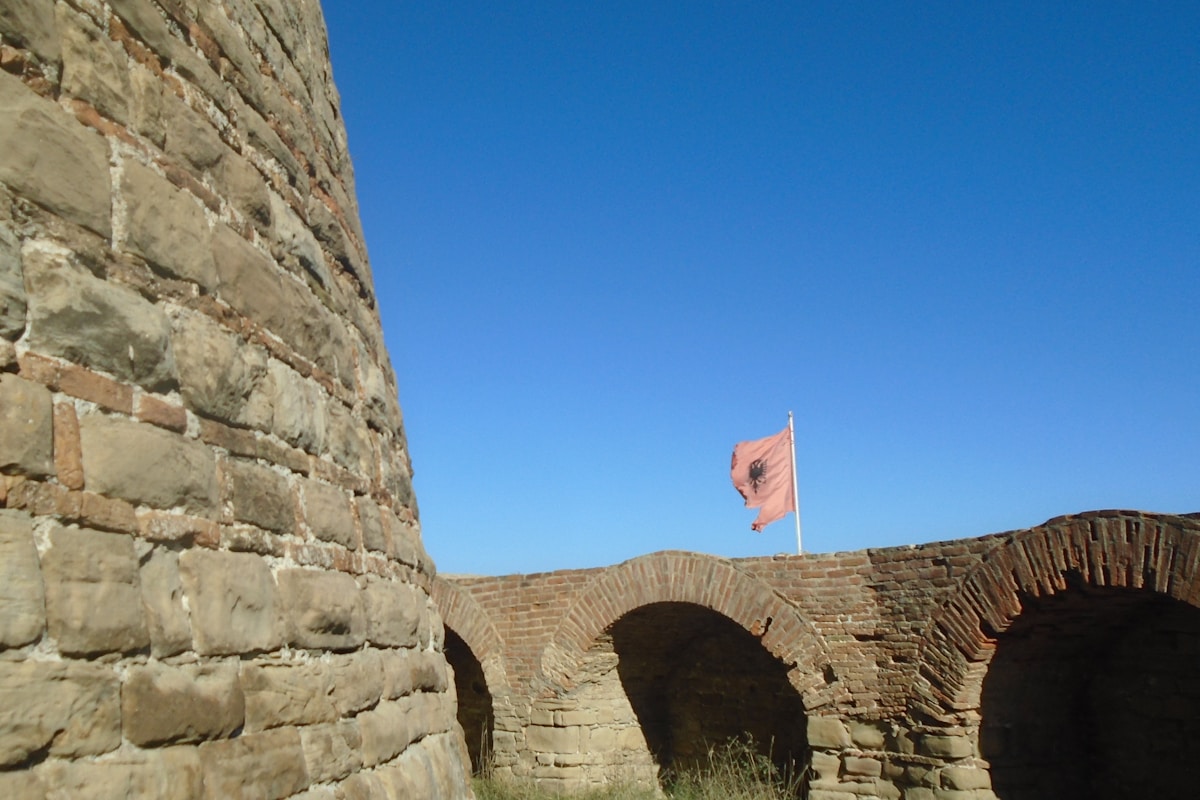
The Majestic Red Fort
The Red Fort, or Lal Qila, stands as a testament to the grandeur of Mughal architecture and is one of the most iconic landmarks in Delhi, India. Built in the 17th century, this UNESCO World Heritage Site attracts millions of visitors each year, eager to explore its stunning architecture and rich history. In this blog post, we will delve into the fascinating features, historical significance, and visitor experiences associated with the Red Fort.
A Brief History of the Red Fort
The Red Fort was commissioned by the Mughal Emperor Shah Jahan in 1638 when he shifted his capital from Agra to Delhi. The fort was completed in 1648 and served as the main residence of the Mughal emperors for nearly 200 years. Here are some key historical facts:
- Construction: The fort was constructed using red sandstone, which gives it its distinctive color.
- Architectural Influence: The design of the fort is an amalgamation of Persian, Timurid, and Indian architectural styles.
- Symbol of Power: The Red Fort was not just a residence; it was a symbol of the might and power of the Mughal Empire.
- Independence Day: The fort is significant in modern history as the site from which India’s Prime Minister addresses the nation on Independence Day.
Architectural Marvels of the Red Fort
The Red Fort is a masterpiece of architecture, showcasing intricate designs and monumental structures. Here are some of its most notable features:
1. The Main Gate: Lahore Gate
The Lahore Gate serves as the primary entrance to the fort. It is an impressive structure that features:
- High walls and a grand entrance that reflects Mughal aesthetics.
- Two massive wooden doors, reinforced with iron.
- Beautifully carved motifs and inscriptions.
2. The Diwan-i-Aam (Hall of Public Audience)
This hall was used by the emperor to address the public. Key points include:
- Beautifully adorned with intricate floral patterns and marble inlays.
- A large courtyard that could accommodate thousands of people.
- Stunning views of the fort’s gardens and surroundings.
3. The Diwan-i-Khas (Hall of Private Audience)
Reserved for special guests, this hall features:
- Exquisite marble work and precious stones embedded in the walls.
- A throne platform where the emperor would sit.
- Elaborate decorations that showcase the wealth of the Mughal Empire.
4. The Rang Mahal (Palace of Colors)
The Rang Mahal was the residence of the emperor’s wives and concubines. Highlights include:
- Vibrant frescoes and intricate tile work.
- Water channels that provided cooling during the hot summers.
- Lavish gardens that added to its beauty.
Visiting the Red Fort
When planning a visit to the Red Fort, it’s essential to consider the following tips:
1. Opening Hours and Admission
- The fort is open from sunrise to sunset.
- Admission fees are nominal, and there may be discounts for students and children.
2. Best Time to Visit
The ideal time to visit is during the cooler months, from October to March, when the weather is pleasant. Early mornings or late afternoons are perfect for avoiding crowds and capturing stunning photographs.
3. Guided Tours
Consider joining a guided tour to enrich your experience. Guides provide valuable insights into the history and architecture of the fort, making your visit more informative.
Conclusion
The Red Fort is not just a monument; it is a symbol of India’s rich cultural heritage and history. Its majestic architecture, combined with its historical significance, makes it a must-visit destination in Delhi. Whether you are a history buff, an architecture enthusiast, or simply a traveler looking to explore the beauty of India, the Red Fort promises an unforgettable experience.
So, when you find yourself in Delhi, make sure to take the time to visit this magnificent fort and immerse yourself in the grandeur of the Mughal era.