
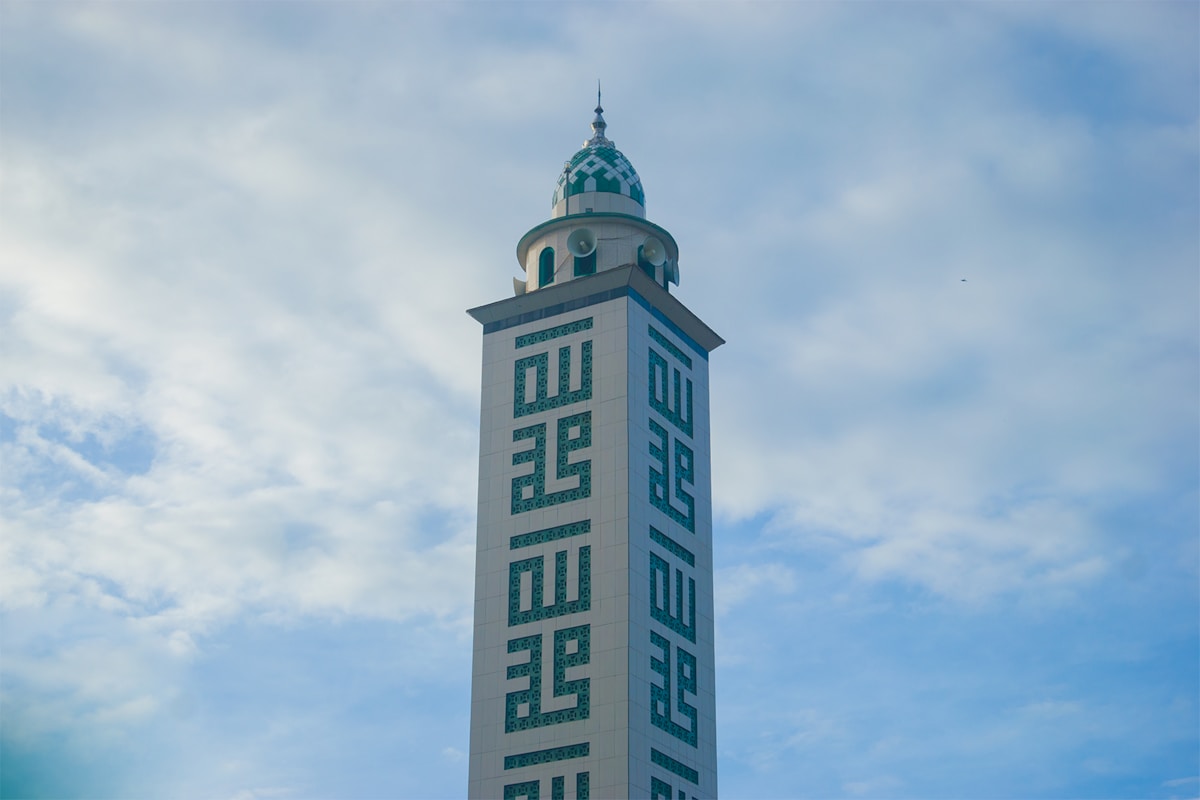
Introduction to Qutub Minar
The Qutub Minar is not just an architectural marvel; it is a testament to the rich history and culture of India. Standing tall in the heart of Delhi, this magnificent minaret is recognized as the tallest brick minaret in the world, reaching a height of 73 meters (240 feet). As a UNESCO World Heritage Site, it attracts millions of visitors each year who come to admire its intricate designs and historical significance.
Historical Significance
Constructed in the 12th century, the Qutub Minar was commissioned by Qutb al-Din Aibak, the founder of the Delhi Sultanate, to mark the beginning of Muslim rule in India. The minaret serves not only as a victory tower but also as a minaret for the adjacent mosque, the Quwwat-ul-Islam Mosque. Here are some key historical points:
- Construction Timeline: The construction began in 1193 and was completed in 1220 by Qutb al-Din Aibak’s successor, Iltutmish.
- Architectural Influence: The design reflects Indo-Islamic architecture, incorporating intricate carvings and verses from the Quran.
- Symbol of Power: The minaret symbolizes the power and dominance of the Delhi Sultanate during its peak.
Architectural Brilliance
The Qutub Minar is renowned for its stunning architecture, which showcases the craftsmanship of the era. Here are some notable features:
Design and Structure
- Height and Stories: The Qutub Minar is divided into five distinct stories, each marked by a balcony.
- Materials Used: The minaret is primarily made of red sandstone, adorned with intricate carvings and inscriptions.
- Fluted Surface: The exterior of the minaret features a fluted design, enhancing its aesthetic appeal.
Intricate Carvings and Inscriptions
The walls of the Qutub Minar are embellished with beautiful carvings and verses from the Quran. These inscriptions not only enhance the beauty of the structure but also reflect the artistic skills of the artisans of that time.
Visiting Qutub Minar
Visiting Qutub Minar is a must for anyone exploring Delhi. Here’s what you need to know:
Location and Accessibility
- Location: The monument is situated in the Mehrauli area of Delhi.
- Accessibility: It is well-connected by public transport, including the Delhi Metro, with the nearest station being Qutub Minar Metro Station.
Opening Hours and Entry Fees
- Opening Hours: The Qutub Minar is open from 7:00 AM to 5:00 PM every day.
- Entry Fees:
- Indian Citizens: ₹30
- Foreign Tourists: ₹500
Best Time to Visit
The best time to visit Qutub Minar is during the winter months (October to March) when the weather is pleasant. Early mornings or late afternoons are ideal for avoiding the crowds and enjoying the beautiful lighting for photography.
Cultural Impact and Legacy
The Qutub Minar is not just an architectural wonder; it holds immense cultural significance. It has become a symbol of Delhi and a representation of India’s rich history. Here are some aspects of its cultural impact:
- Tourist Attraction: As one of the most visited monuments in India, it attracts millions of tourists every year.
- Symbol of Heritage: The minaret is a reminder of the historical confluence of different cultures in India.
- Inspiration for Artists: The intricate designs have inspired countless artists and architects over the centuries.
Conclusion
The Qutub Minar stands as a proud emblem of India’s architectural and historical legacy. Its towering presence and intricate craftsmanship continue to captivate visitors from around the world. Whether you are a history enthusiast, an architecture lover, or simply a traveler seeking to explore the beauty of Delhi, a visit to the Qutub Minar is undoubtedly a worthwhile experience.