
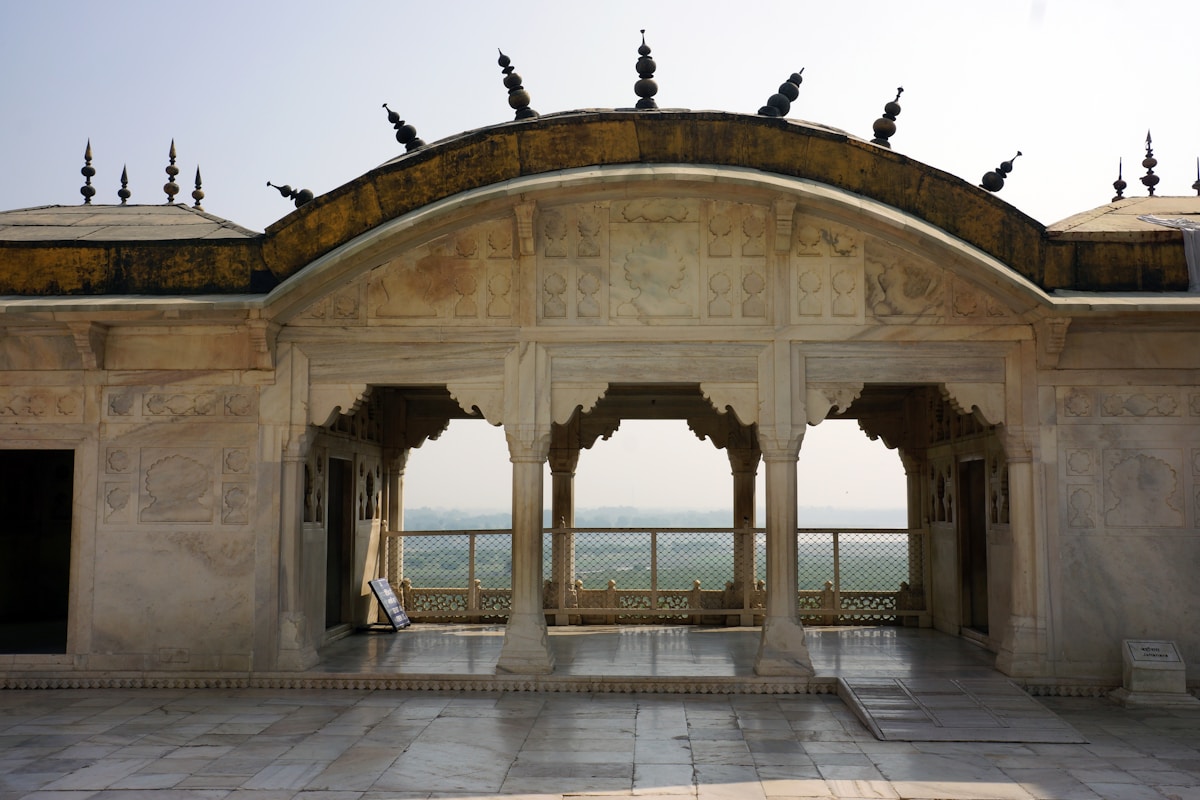
Introduction to Humayun’s Tomb
Humayun’s Tomb, located in the bustling city of Delhi, India, is a stunning example of Mughal architecture and a UNESCO World Heritage Site. Built in the 16th century, it is the first garden tomb on the Indian subcontinent and serves as the final resting place of the Mughal Emperor Humayun. This architectural marvel not only represents the grandeur of the Mughal era but also set the stage for future masterpieces, including the iconic Taj Mahal.
Historical Significance
Constructed between 1565 and 1572, Humayun’s Tomb was commissioned by Humayun’s wife, Empress Bega Begum, after his untimely death. The tomb is significant for several reasons:
- First Garden Tomb: It was the first of its kind in the Indian subcontinent, introducing the concept of a garden tomb.
- Mughal Architecture: The tomb showcases the distinctive Mughal architectural style, characterized by its grand domes, intricate carvings, and lush gardens.
- Influence on Future Structures: The design elements of Humayun’s Tomb inspired later constructions, most notably the Taj Mahal.
Architectural Features
Humayun’s Tomb is a remarkable synthesis of Persian and Indian architectural styles, featuring several key elements that exemplify Mughal design:
The Structure
The tomb itself is built from red sandstone and white marble, which together create a striking visual contrast. Key architectural features include:
- Central Dome: The tomb is topped with a large, double-dome structure that rises to about 47 meters.
- Chhatris: These are elevated dome-shaped pavilions that adorn the corners of the tomb, adding to its grandeur.
- Symmetry: The tomb is designed symmetrically, with gardens and pathways that reflect Mughal principles of harmony and balance.
The Gardens
The surrounding gardens are a crucial aspect of Humayun’s Tomb, designed in the Persian style known as Charbagh, which means “four gardens.” Key features include:
- Water Channels: The gardens are interspersed with water channels that symbolize the rivers of paradise.
- Floral Layout: The layout incorporates a variety of plants and flowers, contributing to the serene ambiance.
- Pathways: Pathways connect the different sections of the garden, inviting visitors to explore the expansive grounds.
Cultural Importance
Humayun’s Tomb is not just an architectural wonder; it holds immense cultural significance as well:
- Symbol of Love: The tomb is a testament to Empress Bega Begum’s love and dedication to her husband.
- Historical Site: It serves as a reminder of the rich Mughal history and the empire’s contributions to Indian culture.
- Tourist Attraction: Today, it attracts millions of visitors from around the world, making it a vital part of India’s tourism industry.
Visiting Humayun’s Tomb
If you’re planning to visit Humayun’s Tomb, here are some essential tips to enhance your experience:
Best Time to Visit
The ideal time to visit is during the cooler months, from October to March, when the weather is pleasant.
Entry Fees and Timings
- Entry Fee: The entrance fee is nominal, making it accessible for all visitors.
- Timings: The tomb is open from sunrise to sunset, allowing ample time for exploration.
What to Expect
Visitors can expect:
- Stunning views of the tomb and gardens.
- A peaceful atmosphere, perfect for reflection and photography.
- Informative guides and signage that provide historical context.
Conclusion
Humayun’s Tomb stands as a magnificent representation of Mughal architecture and a symbol of love and devotion. Its intricate design, lush gardens, and historical significance make it a must-visit destination for anyone exploring the rich tapestry of India’s heritage. As you walk through the serene gardens and admire the grandeur of the tomb, you’ll be transported back to a time of emperors and empresses, making your visit an unforgettable experience.